Alguns conteúdos, documentos e vídeos estão disponíveis apenas em inglês.
Tintas de impressão

Tintas de flexografia e rotogravura

Binder and modifier routes for surface printing and general flexo/gravure applications.

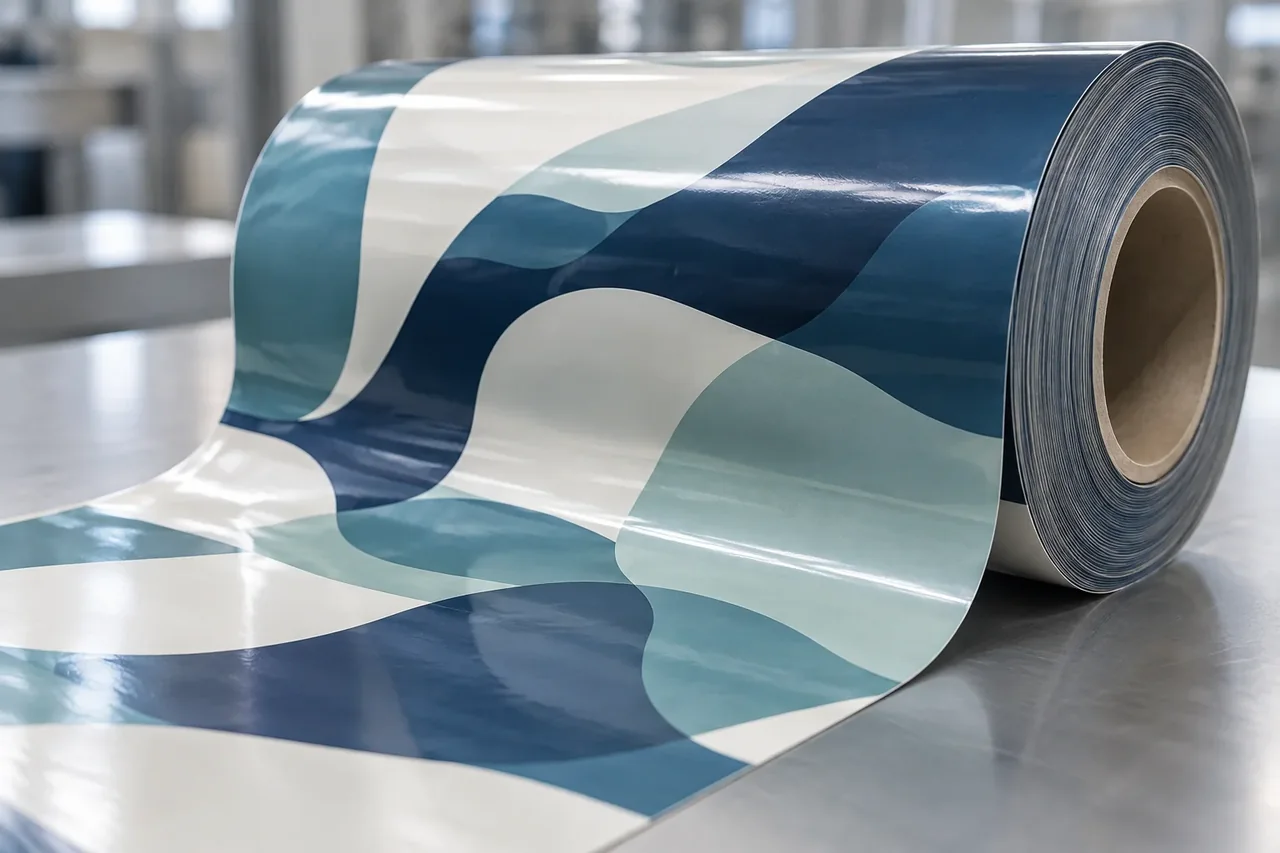
Unbranded printed packaging film on a roll
APPLICATION TO MATERIAL

Choose the component’s role.

Explore the documented candidates and the properties relevant to their role.

Explore selection examples
PRINTING INKS / PROCESS ROUTES

Build the shortlist around the printing process.

Start with surface printing or lamination, then compare the resin role, solvent package and supplied solids.

Polyamide ink binders2 grades to review

What shapes the choice

Dromide 902 is a co-solvent-soluble polyamide resin for flexographic and gravure inks and overprint varnish. Dromide 903 is an alcohol-soluble polyamide resin listed for high-speed flexo and gravure inks. Define the carrier system, substrate and printing process before evaluating a binder.

Grades to review

  • Dromide 902

    Co-solvent-soluble polyamide resin for flexographic and gravure inks and overprint varnish.

  • Dromide 903

    Alcohol-soluble polyamide resin with good gel resistance and deep-freeze properties.

Surface-printing PU binders3 grades to review

What shapes the choice

Review the binder role and solvent system for the intended flexo or gravure ink.

Grades to review

  • Dropack 5244

    Thermoplastic, non-reactive aromatic polyurethane of high molecular weight.

  • Dropack 5245

    Thermoplastic polyurethane resin with semi-film-forming character.

  • Dropack 5246

    Flexible, non-reactive MDI-based urethane polymer for use with nitrocellulose in alcohol-soluble or dilutable flexographic inks and clear lacquers.

General lamination inks2 grades to review

What shapes the choice

Share the film and laminate structure when reviewing binder and drying requirements.

Grades to review

  • Dropack 5245

    Thermoplastic polyurethane resin with semi-film-forming character.

  • Dropack 5256

    Non-reactive, semi-aliphatic polyurethane of high molecular weight, free of NCO and organotin compounds.

Understand the application
UNDERSTAND THE APPLICATION

Connect the ink to the press.

Move from substrate and ink transfer to the resin package, drying and the next converting step.

Connect the ink to the press. The binder and pigment package feeds ink transfer to a moving substrate. Carrier removal is followed by either surface-print handling or a lamination route. Four labelled stages correspond to the text controls. Illustrative, not a system specification. INK TRANSFER, DRYING AND CONVERTING 1Substrate & transferMoving substrate2Binder & pigmentInk package3Drying on the lineCarrier removal4After printingSurface printLaminação Simplified web path; flexo and gravure press arrangements differ.
Connect the ink to the press.An ink package transfers to a moving substrate. Carrier removal is followed by exposed-print handling or lamination. Press arrangements differ between flexo and gravure. Simplified diagram. Full stage explanations appear in the adjacent controls.1Transfer2Ink package3DryingCarrier removal4After printingSurfaceLaminate

Substrate & transfer

The ink has to transfer consistently to the chosen substrate. Flexo and gravure use different printing arrangements, so the same resin choice still needs evaluation in the intended press process.

Selection focus

Substrate treatment, ink position and press process.

Discuss this requirement

Evaluate materials in the complete formulation and intended process.

How to define the printed construction →

Help me define my requirementOptional — prepare a brief for your technical discussion.
YOUR NEXT CONVERSATION

Prepare your technical brief.

Answer only what you know. Review and edit the summary before continuing to the enquiry.

All answers are optional. Leave anything you do not know blank.

The summary updates as you answer.

Write my own enquiry

These answers prepare a discussion brief; they do not select or approve a grade. Your draft stays in this browser tab.