
Modified polyamide / amidoamine
Dromide 9310X
- AHEW
- 808g/eq
- Viscosity @ 40°C (Brookfield)
- 1800-3000cP; ASTM D 2196
- Mixing ratio with epoxy resin (EEW 525)
- 154phr
- Amine value
- 50-65mg KOH/g; ASTM D 2074
Explore documented uses in primers, clear finishes, lacquers, stoving coatings and industrial protection. Start with the substrate, finish and curing process, then identify the component role your formulation needs.
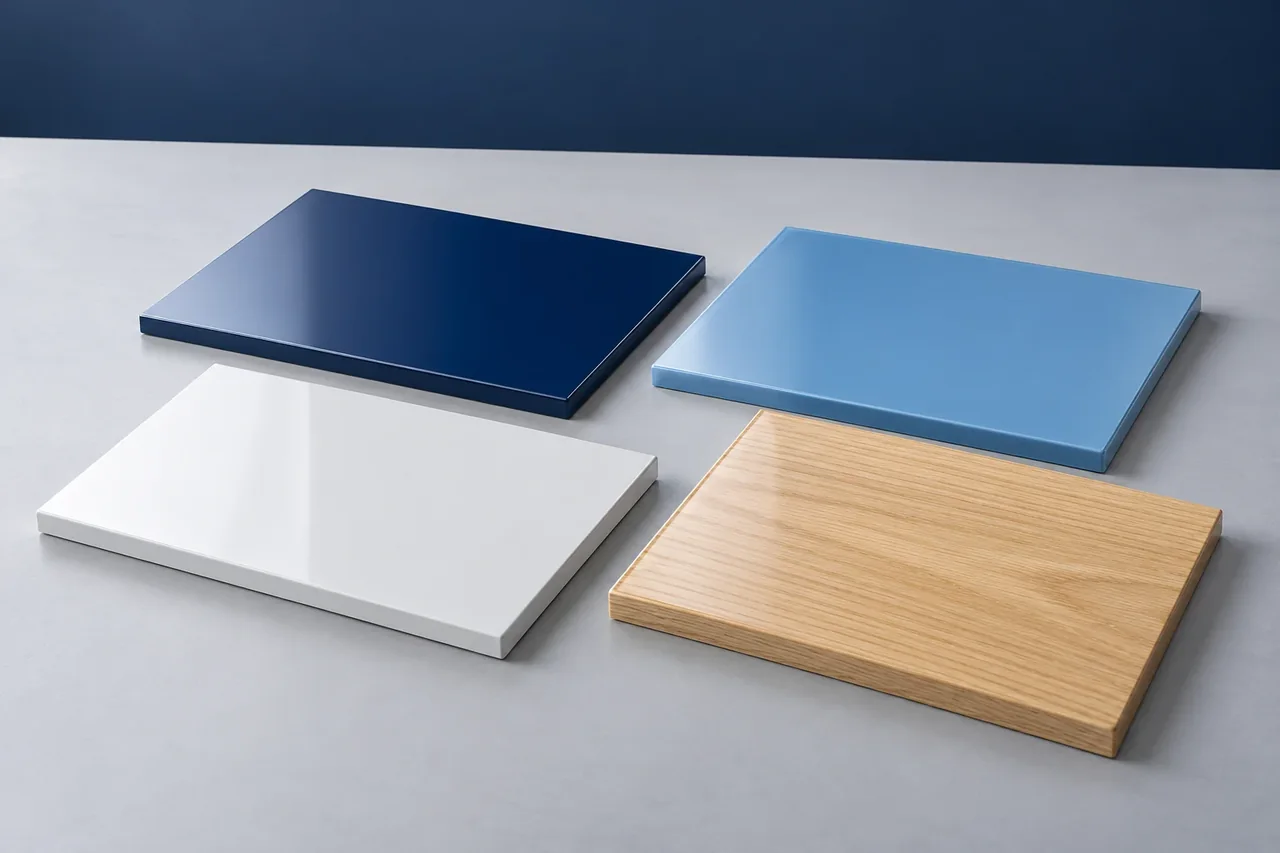
Explore the documented candidates and the properties relevant to their role.
155 documented candidates across 49 roles
View all matching gradesExamples show different formulation roles. Choose a role to explore alternatives for that job.
See how binder selection influences flexibility, adhesion and crack bridging on concrete.
This cured coating sample bends as it is lifted. It shows the flexibility a formulator can build into a coating or a sealant. The starting material is a clear, solvent-free aromatic prepolymer. The finished formulation determines how the material flows, bonds and cures. In a sealing compound, the material fills a joint between concrete sections. In a high-build coating, it forms a flexible layer across the surface. Here is what crack bridging means. The coating stays continuous over a crack in the concrete. Test the finished system to establish how much movement it can accommodate. The binder offers excellent adhesion to concrete. For formulators, it is also compatible with ester solvents and aromatic hydrocarbons. Two properties guide formulation. Isocyanate content helps set the proportions. Viscosity helps assess mixing and application. Keep the prepolymer sealed and protected from moisture. Contact D. R. Coats to discuss your substrate, application and sample requirements.
These representative routes span resin, polyol, isocyanate and curing-agent roles. Use the stated application of each grade to build a shortlist for your coating process.
Dropoxy 7450X is an epoxy resin listed for primers, topcoats and clear coatings. Drothane 1174 is a polyol listed for clear coatings and exterior systems, while Drodur 3300 is an HDI trimer listed for lightfast topcoats. Define the required role and complete cure system for each candidate.
Liquid epoxy resin supplied as a 75% solution in xylene.
Castor-oil-based polyol offering good UV resistance when cured with an aliphatic isocyanate.
Aliphatic polyisocyanate based on an HDI trimer.
Drodur 3175B is a blocked HDI isocyanate listed for one-component stoving coatings. Dropoxy 7293 lists automotive primers and stoving metal coatings; Dropol 9012 is a phenolic resin for baked metal coating formulations. Describe the heating process and substrate before comparing these different component roles.
Blocked HDI-based isocyanate containing 75% solids.
Short-oil epoxy ester based on fatty acid.
Butylated phenolic resin for baked metal coating formulations.
Dropol 9013 lists industrial protective coatings and primers. Drocure 5186 is an epoxy curing agent with protective and industrial coating uses, and Dromide 9340 lists tank and pipe coatings. State the coating layer, substrate and service exposure in the enquiry.
Epoxy-phenolic precondensate.
A low-viscosity Mannich-base epoxy curing agent with moisture tolerance.
A reactive polyamide curing agent for epoxy resins with medium to low viscosity.
The surface, application process and finished coating requirements belong in the same formulation brief. Define each before selecting individual components.
Identify the substrate and the job of this layer: a primer, intermediate coat or exposed finish. Include the condition of the surface and any existing coating.
Substrate, preparation and position in the coating system.
Describe how the coating will be applied and dried or cured. Ambient-cure, one-component stoving and other coating processes need their own formulation assessment.
Application equipment, carrier system and available curing process.
Set out the appearance and service conditions required of the completed coating. Use these requirements to evaluate the selected resin, curing agent and other components together.
Clear or pigmented finish, appearance and service exposure.
Evaluate materials in the complete formulation and intended process.
Prepare a technical briefAnswer only what you know. Review and edit the summary before continuing to the enquiry.
The summary updates as you answer.
Write my own enquiryThese answers prepare a discussion brief; they do not select or approve a grade. Your draft stays in this browser tab.